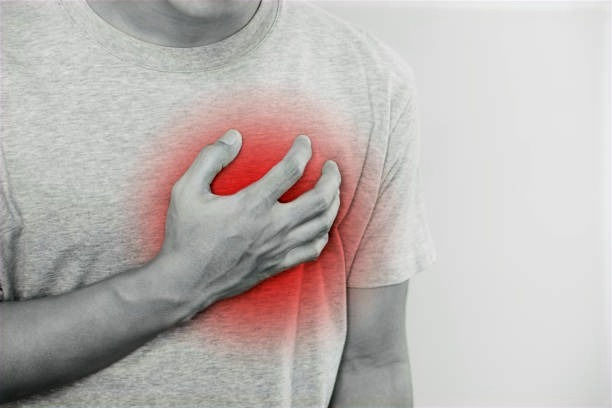
What heart problems might chest pain indicate

Chest pain can indicate a range of heart problems, from temporary reduced blood flow to the heart muscle (angina) through to a heart attack, inflammation of the heart muscle or its surrounding sac (myocarditis or pericarditis), valve disease, and abnormal heart rhythms. Not every episode of chest pain is cardiac in origin, and in our experience around half of the patients we assess for chest pain turn out to have a non-cardiac cause. But because the conditions that are cardiac can be serious, any new, unexplained, or worsening chest pain warrants proper investigation rather than guesswork.
If you've been searching because you've experienced chest pain and want to understand what it might mean, the short answer is this. Pain that comes on with exertion and eases with rest most often points to angina. Pain that is sudden, severe, and accompanied by sweating, breathlessness, or pain spreading to the arm or jaw needs emergency assessment for a possible heart attack. Sharp, stabbing pain that worsens when you breathe in or lie flat usually points to pericarditis. The character, timing, and triggers of chest pain are the strongest clues to the underlying cause, which is why a detailed history matters as much as the tests we run.
Angina, The Most Common Cardiac Cause of Chest Pain
Angina is the textbook cardiac chest pain and the one we see most often. It happens when the coronary arteries supplying blood to the heart muscle become narrowed, usually by atherosclerosis, and can't deliver enough oxygen during exertion or stress.
Typical angina has three hallmarks: it is a tight, heavy, or pressure-like sensation across the central chest, it is brought on by exertion or emotional stress, and it is relieved within a few minutes by rest or by GTN spray. The pain can radiate to the left arm, jaw, neck, or upper back. The NHS information on angina covers the symptom picture in more detail.
In our experience, patients who describe predictable chest pain that comes on at a similar level of exertion each time almost always have stable angina, while those whose pain comes on at rest or wakes them at night need urgent assessment for unstable angina or impending heart attack.
Heart Attack (Myocardial Infarction)
A heart attack happens when blood flow to part of the heart muscle is suddenly cut off, usually by a clot forming on a ruptured plaque inside a coronary artery. Without oxygen, the muscle starts to die within minutes.
Heart attack pain is typically more severe and prolonged than angina, lasting more than 15 minutes, and is not relieved by rest. It is often accompanied by sweating, nausea, breathlessness, a feeling of impending doom, and pain radiating into the arm, jaw, or back. The British Heart Foundation's information on heart attack symptoms is essential reading.
If you or someone with you is experiencing these symptoms, call 999 immediately. Time is muscle in a heart attack, and outcomes are dramatically better the sooner treatment begins.
Pericarditis and Myocarditis
Pericarditis is inflammation of the thin sac surrounding the heart. The pain is usually sharp, central or left-sided, worse on deep breathing or lying flat, and often relieved by sitting forward. It commonly follows a viral illness and tends to affect younger adults more than other cardiac chest pain.
Myocarditis is inflammation of the heart muscle itself. The pain pattern overlaps with pericarditis but is more often accompanied by breathlessness, fatigue, and palpitations. Both conditions need careful assessment because they can cause heart rhythm problems or affect pump function if not properly managed.
We assess both conditions with a 12-lead ECG, an echocardiogram, and blood tests through our diagnostic blood testing service checking inflammatory markers and cardiac enzymes.
Valve Disease
Aortic valve disease, particularly aortic stenosis, can cause chest pain that mimics angina because a narrowed valve restricts how much blood the heart can pump out. The classic triad of aortic stenosis is chest pain, breathlessness, and fainting on exertion. Mitral valve disease can also cause atypical chest discomfort, particularly when accompanied by atrial fibrillation.
An echocardiogram is the definitive test for valve disease. The NHS information on heart valve problems outlines what to expect.
Arrhythmias
Some abnormal heart rhythms produce chest discomfort, particularly when the rate is very fast. Tachycardia and episodes of atrial fibrillation can present with chest tightness, palpitations, and shortness of breath. The pain in these cases is usually a secondary feature, with the underlying rhythm disturbance being the main problem to identify and treat.
Where rhythm-related chest pain is suspected, an extended ECG recording through our wearable ECG service is more useful than a one-off resting trace, because it captures the rhythm at the moment the symptom actually happens.
Non-Cardiac Causes Worth Considering
Not every chest pain is cardiac. Common non-cardiac causes include acid reflux, musculoskeletal pain from the chest wall or ribs, anxiety and panic attacks, lung conditions, and oesophageal spasm. The NHS guidance on chest pain helps put these in context.
From working with patients across South West London and the South-East over more than a decade, we've found that the most useful single distinction is whether the pain changes with exertion. Cardiac chest pain almost always has a relationship with effort. Pain that is reproducible by pressing on the chest wall, that comes on after meals, or that varies sharply with mood and posture is more often non-cardiac.
How We Investigate Chest Pain at Heartsure
Across more than a decade of running diagnostic cardiology in Kingston-upon-Thames, we've completed in excess of 12,000 cardiac investigations, and chest pain is consistently in the top three reasons patients self-refer. A first appointment usually combines a consultant cardiology assessment with a 12-lead ECG, bloods, and an echocardiogram where structural disease is suspected.
For patients whose symptoms are clearly exertion-related, the next step is either a functional test using our exercise tolerance test or direct imaging of the coronary arteries with a CT coronary angiogram. Where blood flow to the heart muscle is the question, a myocardial perfusion scan gives a non-invasive answer.
In our experience, a CT coronary angiogram works better than a treadmill test alone for patients with intermediate-risk chest pain because it shows the actual state of the arteries rather than inferring it from the heart's electrical response. We've found that around 35% of patients we send for CT coronary angiography after an inconclusive treadmill test have findings that change their treatment, most often a previously unrecognised plaque or moderate stenosis that needs medical management.
When to Seek Emergency Care
Call 999 immediately if chest pain is:
Sudden, severe, or crushing
Accompanied by sweating, nausea, or breathlessness
Spreading to the arm, jaw, neck, or back
Lasting more than 15 minutes and not relieved by rest
Associated with collapse or near-collapse
Do not drive yourself. Chew an aspirin (300 mg) if available and you are not allergic, and wait for the ambulance.
Conclusion
Chest pain has many possible causes, and the cardiac ones include angina, heart attack, pericarditis, myocarditis, valve disease, and arrhythmias. The character, timing, and triggers of the pain are the strongest clues to which condition is responsible, and a proper cardiology assessment combining consultation, ECG, bloods, echocardiogram, and where indicated coronary imaging gets most patients to a confident answer quickly. The risk of leaving cardiac chest pain unexamined is far higher than the inconvenience of getting it checked.
If you've been experiencing chest pain and want to understand what might be causing it, you can contact Heartsure on 0208 255 5999, email info@heartsure.co.uk, get in touch through our contact page, or book an appointment online. Our team in Kingston-upon-Thames offers same-day appointments where clinically appropriate, and most patients are seen within the same week as their first enquiry.